
Resources
North American Model of Wildlife Conservation
The approach described in the North American Model of Wildlife Conservation has been very successful in recovering the game species that hunters have focused on. From the verge of extinction early in the 20th century, we now enjoy robust populations of deer, elk, wild turkeys, and other game species. Hunters regularly cite the success of the framework to support continued status quo management. Recent critiques of the NAM, however, point to areas where the NAM has not been successful, particularly in addressing the conservation needs of predators and nongame species.
Rules of Fair Chase
Overview
The standards of "fair chase" in hunting mean giving wild animals a reasonable chance to escape. Organizations like the Boone and Crockett Club and the Pope and Young Club set ethical rules that balance a hunter's tools and skills with an animal's natural abilities.
Prohibited Methods
Helpless animals: Hunting animals stuck in traps, deep snow, mud, water, or ice.
Powered vehicles: Using cars, trucks, powerboats, or airplanes to chase, herd, or shoot wildlife.
Artificial light and night: Using spotlights or "jacklighting" to blind or shoot animals at night.
Chemicals: Using poisons or tranquilizers.
Fenced enclosures:Hunting inside small, escape-proof fenced areas.
Advanced electronics: Using electronic devices to locate or track game, or using electronic-assisted communication to guide a hunter to an animal.
Core Ethical Principles
Obey the law: Follow all local, state, and federal hunting laws and regulations.
Respect wildlife: Strive for quick, clean, and humane kills to reduce suffering.
Use skills, not just tech: Rely on personal woodcraft, tracking, and shooting skills rather than unfair technological advantages.
Accept no guarantees: Embrace the natural uncertainty of the outdoors rather than expecting a certain harvest.
Learn more about the Fair Chase violations which Colorado Parks and Wildlife support through their rules and regulations.
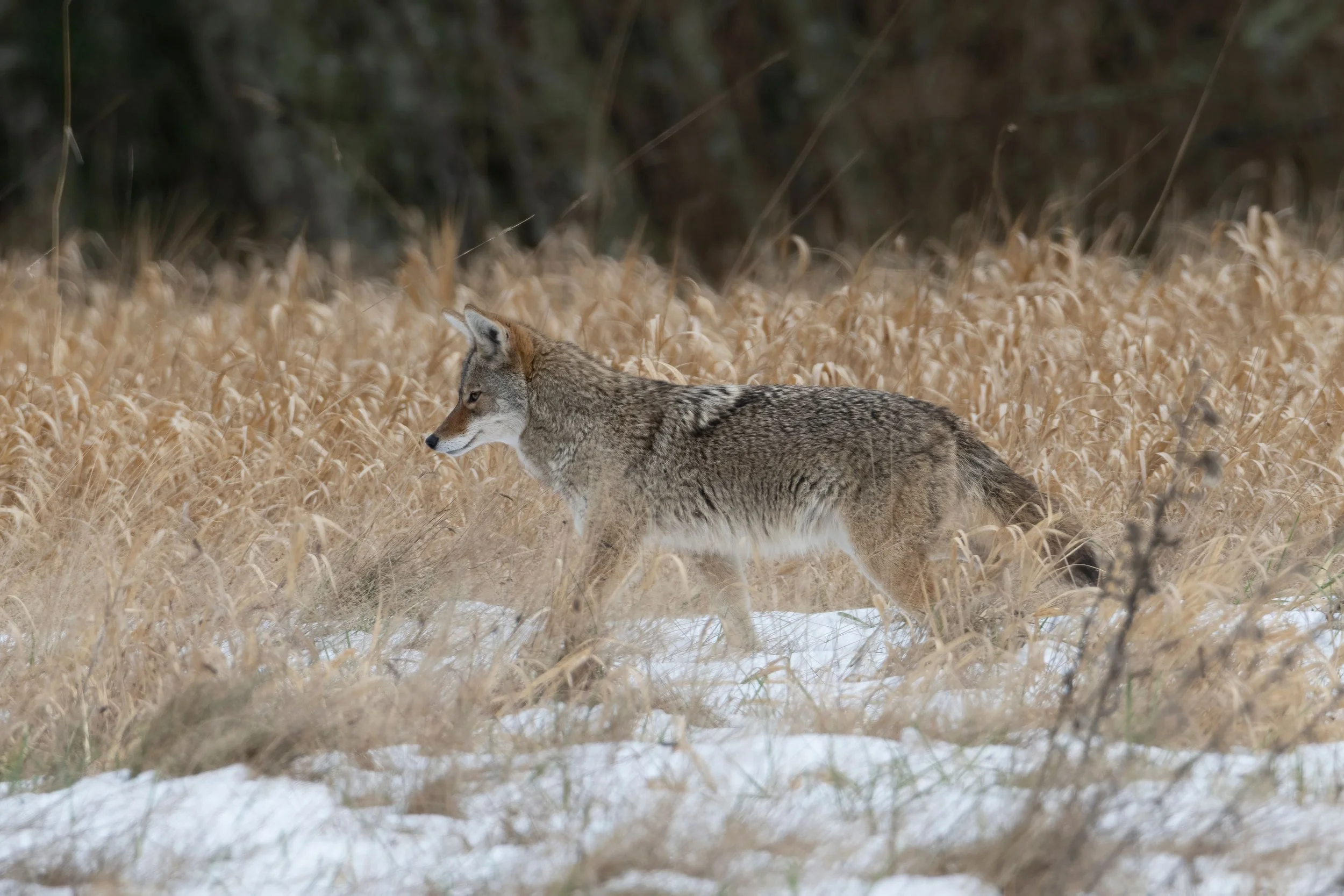
Every wildlife species, beginning with coyotes, deserves a wildlife management plan that supports the biological and ecological factors coyotes are dependent upon for a healthy population.